This project focuses on designing and building an adaptive bed tailored to a child and their family. The goal is to create a safe, comfortable, portable, and functional sleeping environment that accommodates the child’s specific needs while providing ease of use for the parents. The bed will incorporate customizable features such as safety enclosures and sensory-friendly elements to enhance comfort and accessibility. By combining innovative design focused on functionality, this project aims to improve the child’s quality of life and support the parents’ caregiving efforts.
The object of building the adaptive safe bed is to allow a little boy with autism to sleep without getting up throughout the night. Our team is striving to build a bed that the kid wants to stay in as well as a way the family can watch over them. The family gave us free will to make the bed either a twin or full size however she wants to easily be able to move the frame in the case of them moving. Also as a team we also thought it would be a good idea to get the family some sort of door alarm that hooks up to your phone that away the family knows whenever the boy is leaving their room. We are working with another team on this project so we communicate with them and then to the family with potential design options before we come to a final design.
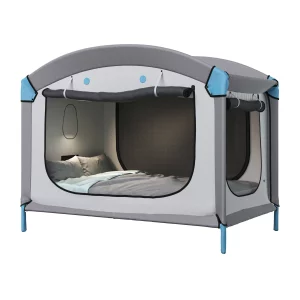
During discussions with the family, they expressed their preference for the Cubby Bed design. However, they faced challenges in obtaining insurance coverage and were unable to afford the product’s exorbitant price. The Cubby Bed is a specialized product meticulously designed to address the specific needs of children with special needs who wander at night. Its unique features create a contained environment that ensures the child stays in bed while simultaneously promoting sleep. The zippers of the Cubby Bed are securely attached to clips on the outside of the bed, preventing the child from opening the zipper from the inside. Additionally, the mattress is self-contained, preventing the child from crawling underneath it. Furthermore, the Cubby Bed incorporates a video camera and a circadian light. The video camera allows parents to monitor their child during the night, providing peace of mind. The circadian light, designed to mimic the sun’s setting, gradually dims the light over time, promoting a natural sleep cycle. The Cubby Bed also includes a mesh covering and a complete blackout covering, enhancing the child’s sleep environment.
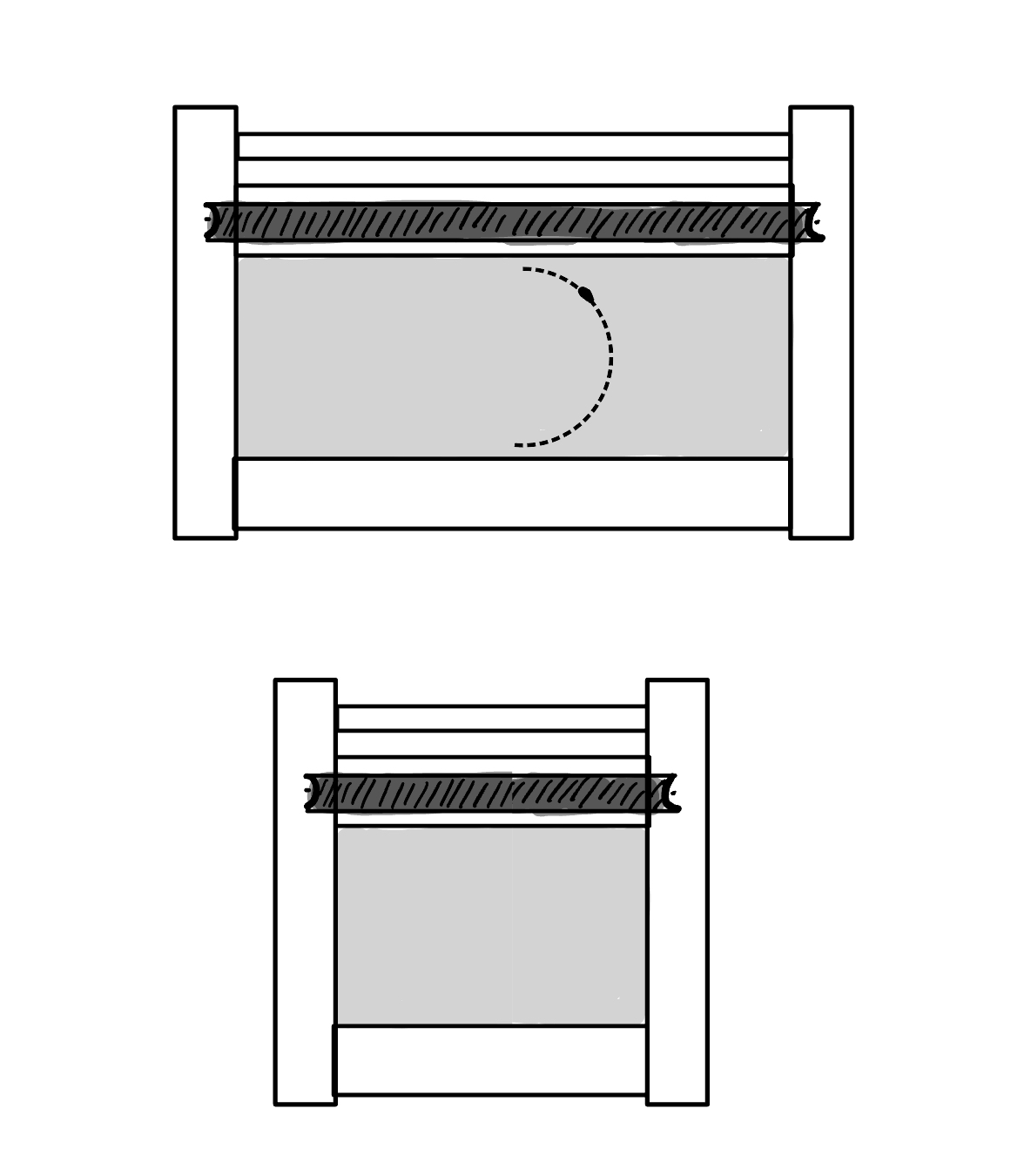
This design is specifically created to maximize the family’s limited space while meeting their unique needs for their child. It provides an open and functional room layout while incorporating a safe and adaptable sleeping area. The bed is designed with a sturdy wooden frame and features a bottom bunk that serves as a secure sleeping space for the child. This enclosed bed ensures safety by preventing the child from getting out while still allowing airflow and visibility through durable mesh sides. A zipper on the long side of the mesh enclosure enables easy external access but cannot be opened from the inside. For added functionality, roller shades are mounted along the top edges of the bed, allowing the family to create complete darkness when needed for the child’s sleep routine. The structure follows a basic bunk bed design, making it easy to convert into a traditional bunk bed for additional sleeping space when necessary. To construct the secure mesh enclosure, heavy-duty mesh will be tightly attached using industrial-grade staples along the top, bottom, and sides of the frame. To prevent the staples from tearing through the material, an additional wooden board will be screwed in along the edges, increasing surface area and friction for extra durability. The use of wood ensures both stability and a professional appearance. Additionally, since the family wants to integrate a camera and lights within the bed, the wooden frame allows for easy drilling to accommodate wiring for these features. The bed’s design is also versatile, allowing the family to position it in any orientation that best suits their space.
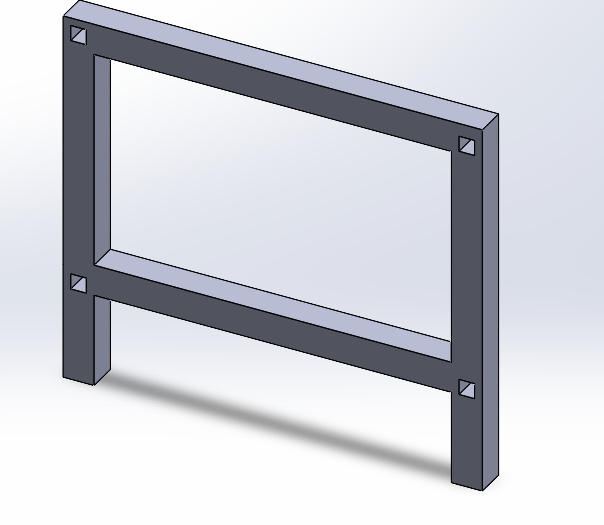
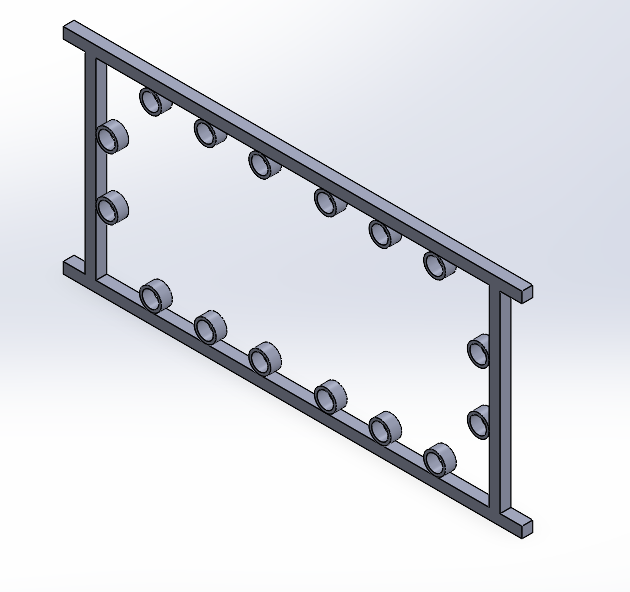
This design’s main intent is simplicity. The frame is a simple 4 parts making it extremely easy for us or the client to take it apart or put it together. Because of this design the bed can be taken apart and laid flat, which could prove pivotal in transporting or storing the bed. The frame is hollow metal tubing to be a tough and durable but also light weight. In addition, the frame is slotted to fit into each other and give a more rigid connection than just bolts. The open sides would have loops attached to the frame. These are there to provide a place to snap in the tent like siding material that we plan to use in using carabiners. This makes snapping in the sides easy as well as easy to snap them out in the event that they need to be washed or are no longer wanted. Velcro could be used on the inside to hide the carabiners from the client. Lastly the head of the bed could be left as the soft material or fitted with a hard back that would provide a place for a camera and a light.
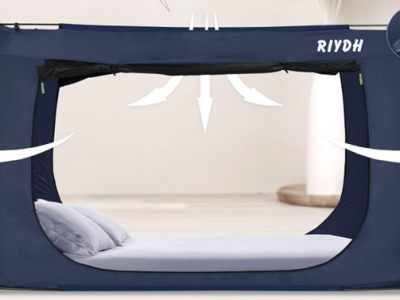
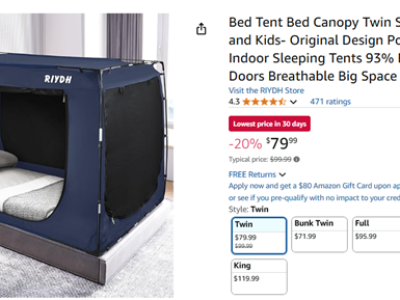
This design is based on repurposing an existing product and enhancing it to meet the family’s specific needs. While there are existing products that create a tent over a bed, they lack the necessary strength and security for this project. The primary objective of this design is to utilize an existing bed tent and fabricate a supporting frame that provides the required strength and security. The frame will be designed with a robust structure to withstand the stress it will endure. Additionally, it will incorporate a mechanism to secure the zippers of the bed tent to the frame, thereby restricting access in and out of the tent. Beyond its functional aspects, this design incorporates several innovative features. The adaptive safe bed is designed to be integrated within an existing bed frame, enabling customization of the bed frame. This adaptive safe bed features a mounting surface within the bed area, allowing for the installation of cameras and lighting.
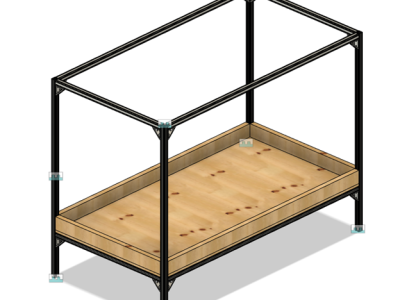
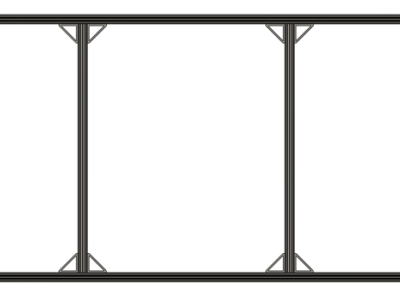
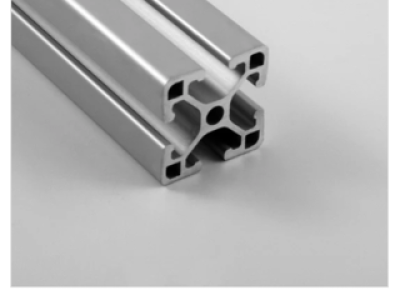
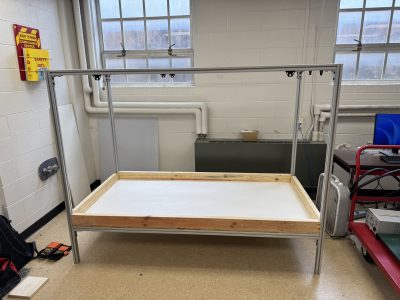
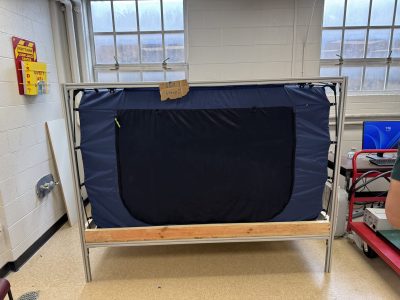
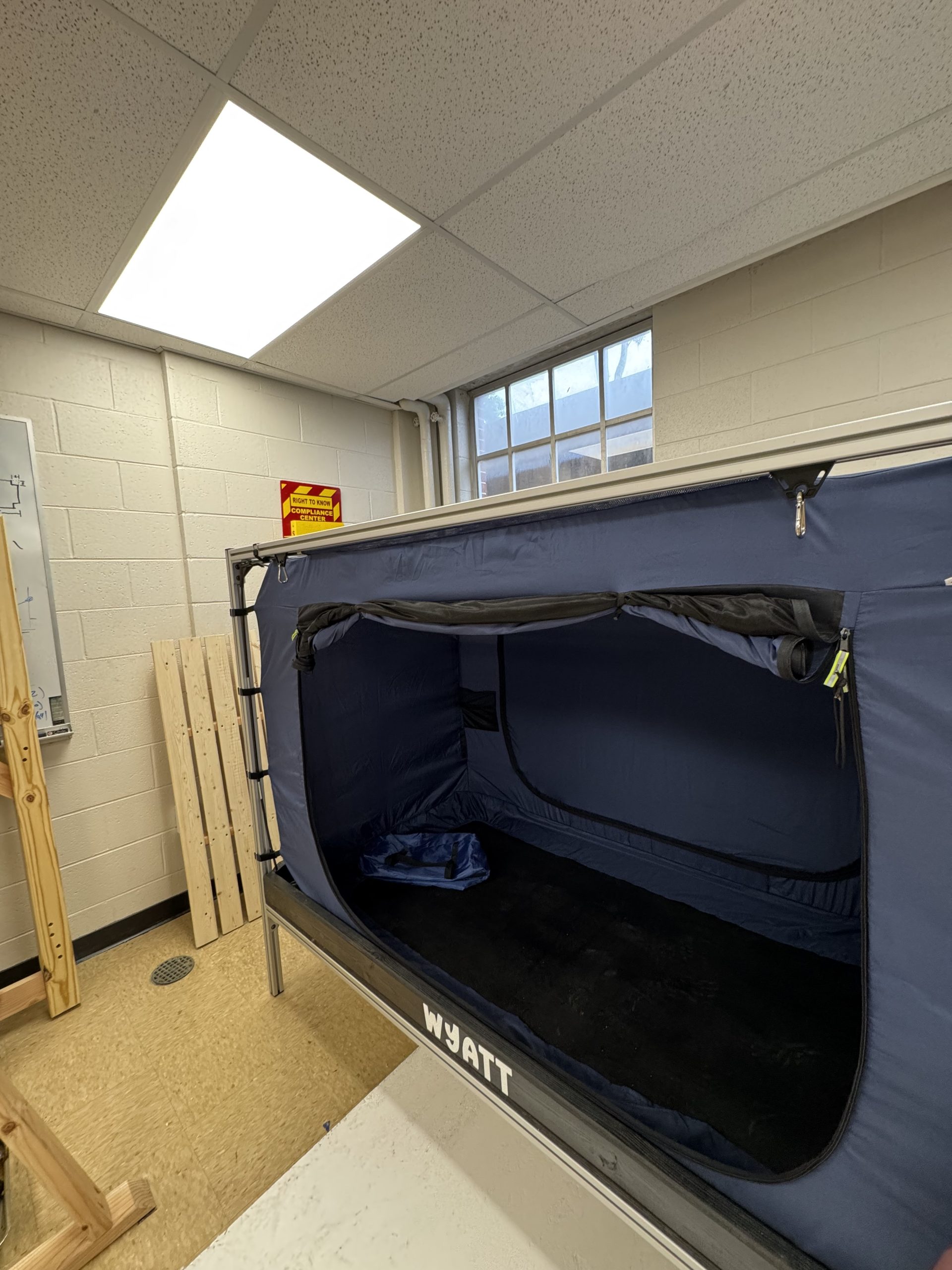
At this point in the design process we combined with group 2a to provide a single final product. Our combined final design is a bed frame made out of 80/20 aluminum extrusion with a plywood board to support a mattress. An existing bed tent would then be attached to aluminum frame to reinforce the frame attached, via velcro straps, to the bed tent. Velcro straps were chosen to secure the two frames to make the frames easy to detach, for easy cleaning of the bed tent.

Bed frame made out of 80/20 aluminum extrusion with a plywood board to support a mattress. An existing bed tent would then be attached to aluminum frame to reinforce the frame attached, via velcro straps, to the bed tent. Velcro straps were chosen to secure the two frames to make the frames easy to detach, for easy cleaning of the bed tent.
Link for Bed below:


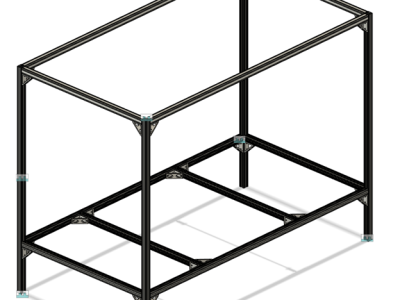
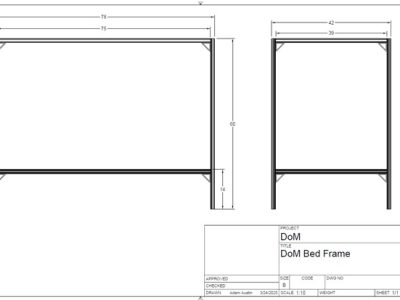
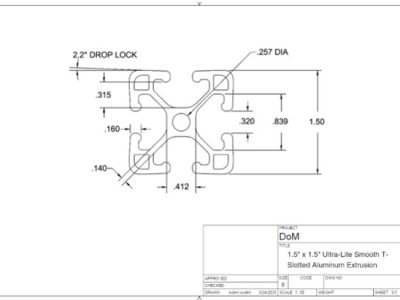
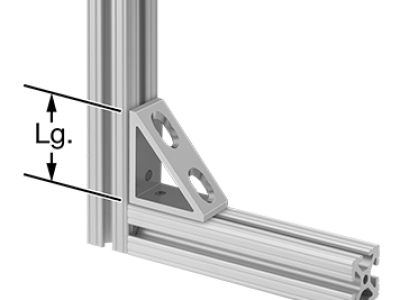
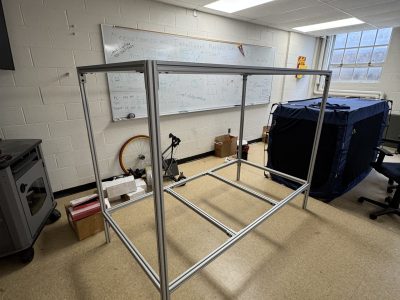
The bed frame will be constructed using 1.5″ x 1.5″ 80/20 aluminum extrusion to create a strong, lightweight, and modular structure. All connections will be secured using corner joints and bolts provided by the school’s shop area to ensure durability and ease of assembly.
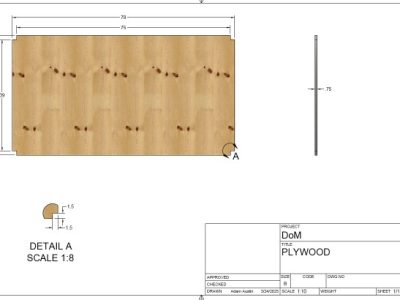
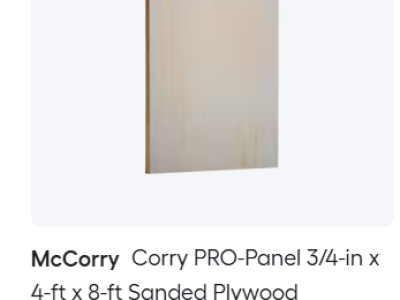
The bed platform will sit 14 inches above the floor and will be supported by two 80/20 aluminum cross members beneath a ¾” plywood sheet. This plywood base provides a sturdy surface for a commercial sensory bed tent, designed specifically for children with sensory processing needs and wandering behavior. The tent, purchased from Amazon, will rest directly on the plywood platform.
To integrate the tent with the frame, its vertical poles will be fastened to the 80/20 risers (vertical corner posts) using Velcro straps. This allows the tent to be securely attached while remaining easy to remove or adjust.
Additionally, 1″ x 1″ wooden trim will be mounted along the perimeter of the plywood to prevent the mattress from sliding or shifting during use, ensuring a safe and comfortable sleeping environment.


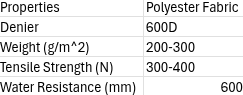
For this analysis, we will be breaking down the material used for the tent part of our design. The material used in our tent is 600D polyester fabric. The D stands for Denier which signifies the thickness and strength of the material. The fabric is not waterproof but it is water resistant. The fabric is lightweight but it is very durable and should not fail unless it is punctured or cut.
The official 80/20 AL website lists the weight per inch of their extruded aluminum products and so the excel is simply a summation of the different frame pieces’ Lenths. This number then being multiplied by the pound per inch number provided by the website to calculate the total weight of the frame. The total weight of the bed was then calculated by adding the weight of the plywood as well as the weight of the 24 elbow brackets, their weight also being listed of the website.
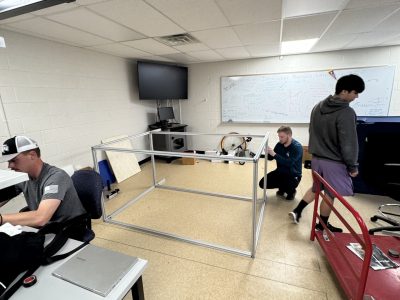
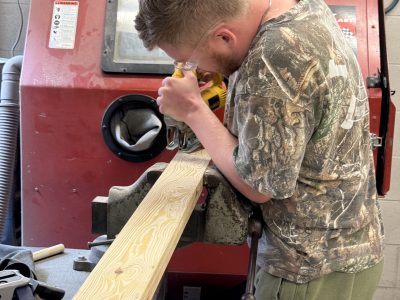
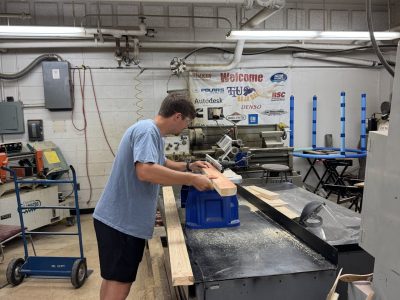
The fabrication consisted of cutting the 80/20 aluminum extrusion down to size. Then attaching the 80/20 pieces together to build the frame. A piece a plywood was then cut down to fit in as the bottom of the frame. 2×4 were cut down to assemble a step around the bottom of the frame. The 2×4’s and plywood were sanded and routed down to remove any rough edges. The wood was the painted black and a water resistant coating was applied. The 2×4’s were screwed to the edge of the plywood and the plywood was set into the aluminum frame. The bed tent was constructed and set into the frame. The bed tent was then connected to the frame using velcro straps.


After constructing the bed we strength tested the frame and bed tent to make sure that there were no foreseeable failure points. through our testing we did not find any point of failure and we deemed our design safe.
For Disassembly
For Assembly follow Disassembly instructions in reverse order.
The goal of this project was to design and build an adaptive bed tailored to our families needs, creating a safe, comfortable, portable, and functional sleeping environment that accommodates there child’s specific needs while providing ease of use for the parents. This goal was accomplished with our design, achieving a product that is easy to assemble/disassemble, easy to clean/sanitize, and durable.