We were tasked with designing a safe, interactive, toy for a child with learning disabilities who enjoys science, creativity and sensory stimulation.
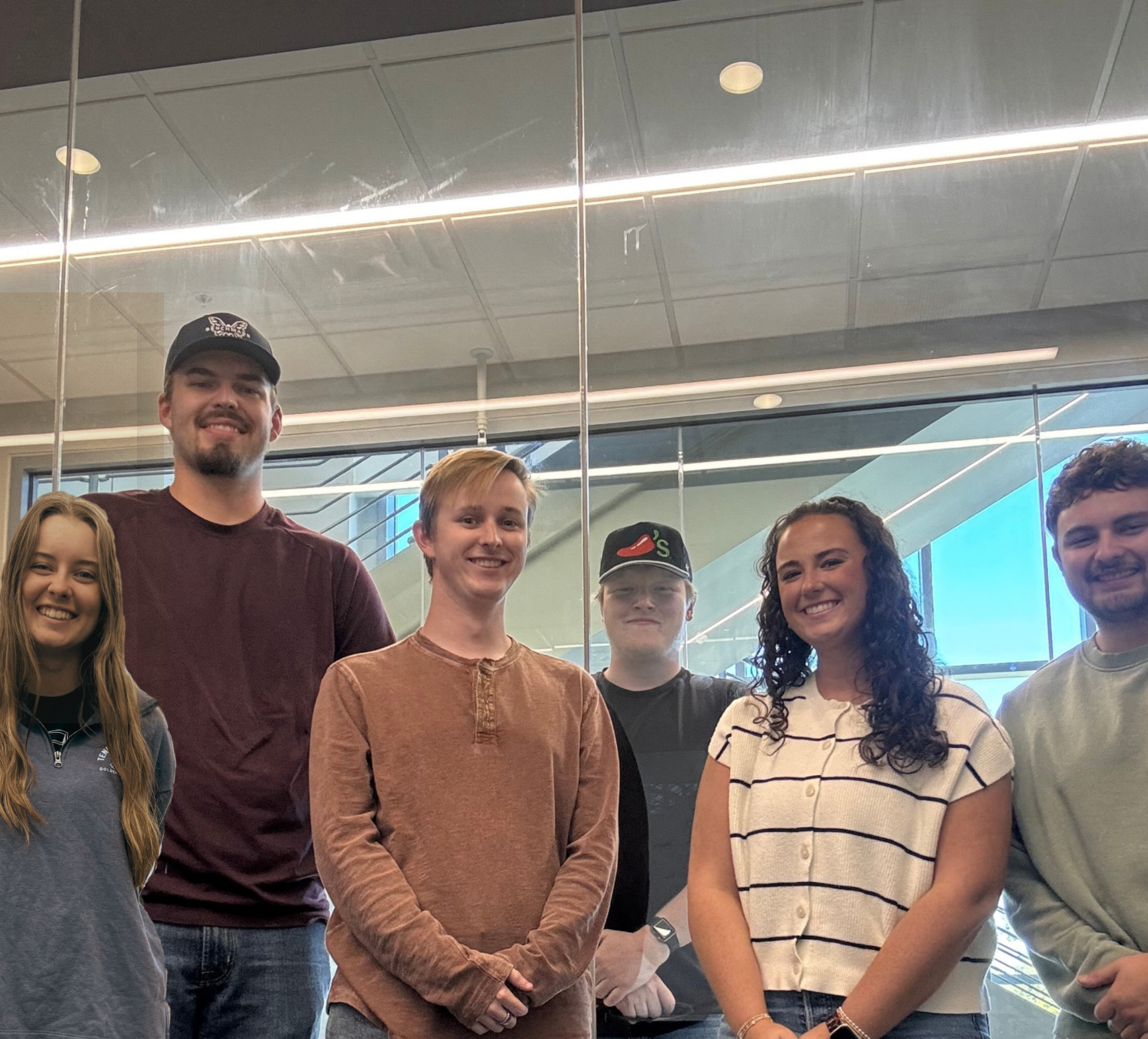
Pictured from right to left: Isabel Tucker, Will Shelton, Jesse Allen, Tim Winecoff, Kenzie Horton, Tyler Doar
Problem Statement
The aim of this project was to create a device for a child that struggles with emotional control, specifically one that helps when he is overstimulated and/or overwhelmed with school and/or his siblings. One of the design requirements is to make it identify as his, due to his struggle with sharing things between his siblings. The device must also include his enjoyment of science, creativity, learning and his love for superheroes. Our original scope for the project was very expansive. Part of the design phase involved narrowing down approaches and ideas in order to focus in on what we can reasonable do. Overall, we plan to present a device that the child can call their own, explores their interest, and is fun.
Design Specifications
Design Specifications include:
Not able to be picked up and thrown
Includes a creative environment with sensory activities
A toy designed specifically for him
Able to be played with indoors and outdoors
Budget Friendly
Background Research
While all of these concepts and ideas were derived by our team, we did look up other ways to include sensory toys with our designs.
Concept Design 1
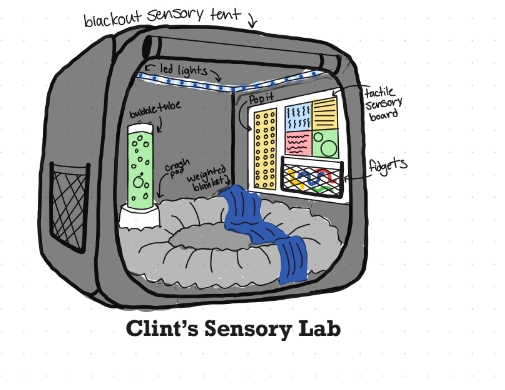
Sensory Lab Cave Concept
For this concept, the child would be able to play inside of the “Lab” area. Activities, such as switches, buttons, etc. would also be included inside for the child to play with. This space could be opened or closed for whether the child wants to be alone or with siblings.
Why this is important?
The child desired a space that they could call their own. The cove would allow them to choose whether or not they want to share it with others (ie siblings). Parent also mentioned portability which the cove could be folded up and transported.
Concept Design 2
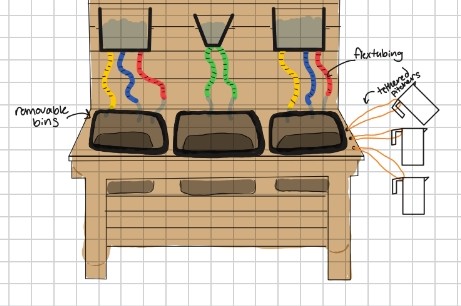
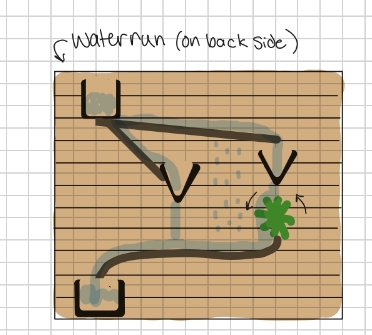
Tabletop Potion Lab Concept
For this concept, the child would be able to play with the water features on the tabletop in order to experience more tactile sensory input. The child has an interest in science and creativity, and a mud kitchen would allow for all of these things.
Why this is important?
The parent desired a space for the child to explore his interests. This concept also allows for them to play, learn, and engage with their younger siblings. The playset, while bulky, could also be moved inside due to weather.
Concept Design 3
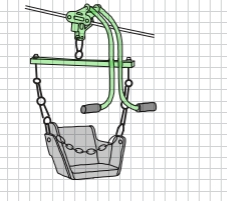
The Gobby Glider Concept
For this concept, the child would be able to be active gliding across a zipline. In order to appeal to his interest, the glider would be Spider-Man themed (based on his favorite character, Green Goblin). We would modify an existing zipline in order to make it safe for them by adding a seat, handles, and safety restraints.
Why this is important?
The child has ADHD so this would be a safe space for him to burn off extra energy. This concept would also allow for interaction and play with their younger siblings. The glider would be built in a way where it could be used as the child grows and develops to fit their future needs.