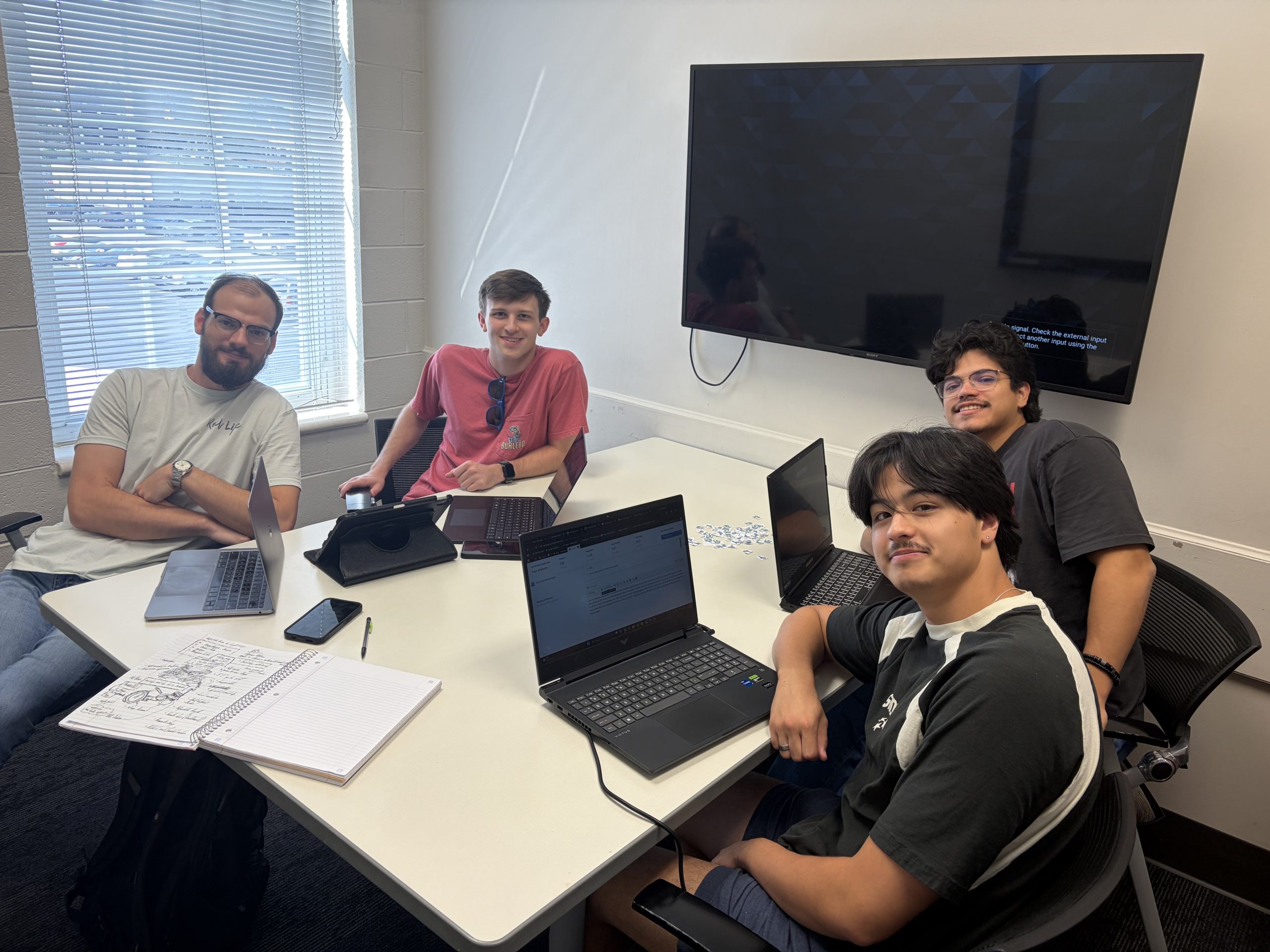
Our group was tasked with creating a bicycle adapted for a child witha condition that causesmuscle weakness.
Thomas Lane, Jackson Pace, Lucas Mann, Benjamin Concha
Problem Statement
Our child has a rare condition that causes her to lose strength in her muscles after prolonged exercise. She has wanted to be able to ride a bike for a few years now, but due to her muscle problems, they need an adapted bicycle to accommodate. She needs a bicycle that can move without her pedaling a lot and can hold her up in her seat so that she does not fall over while riding. An IV pole would need to be installed near the seat to hold her backpack to feed nutrition into her stomach bag.She also experiences drastic growth in a short period of time. Toensure the use of this bike for longer than a year, it will also need to be able to adjust to allow for comfortable riding when she grows taller.
Design Specifications
Electric motor
Pedal assist
Adjustable seat to accommodate her drastic height changes (5’1″ – 6’2″)
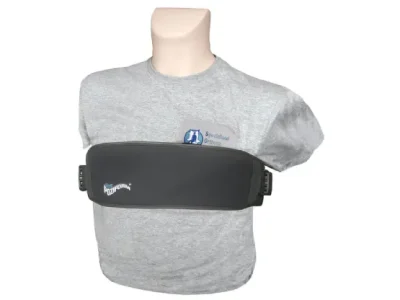
Lap/Chest belt to hold her on the seat without damaging bags
Seating low to the ground (20” ~ 25”)
Proper back support
Padded seating
IV Pole
Intuitive Brake System
Pink
Governable speed (10 mph max speed)
Background Research
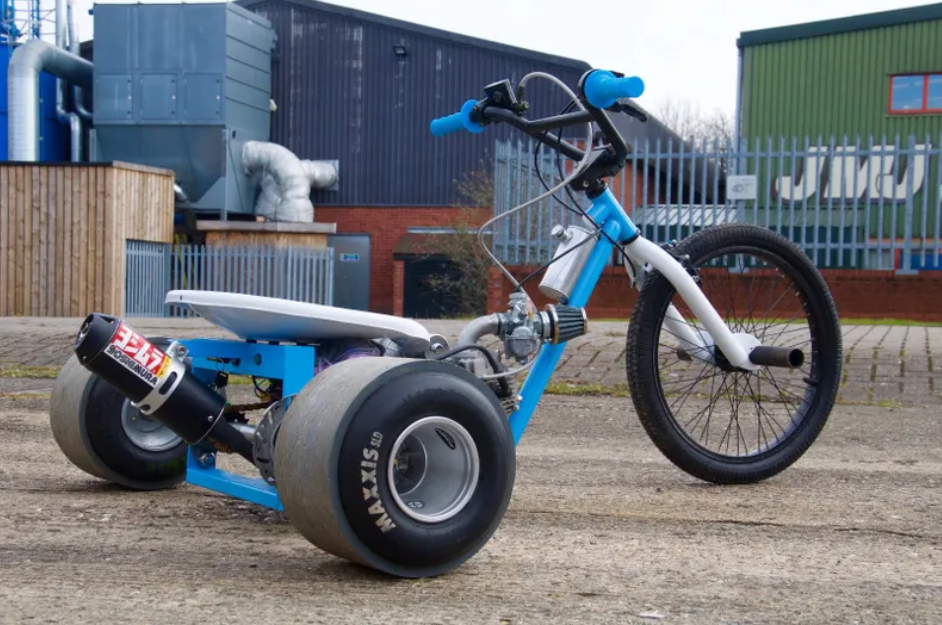
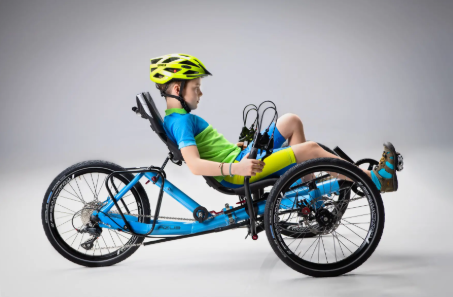
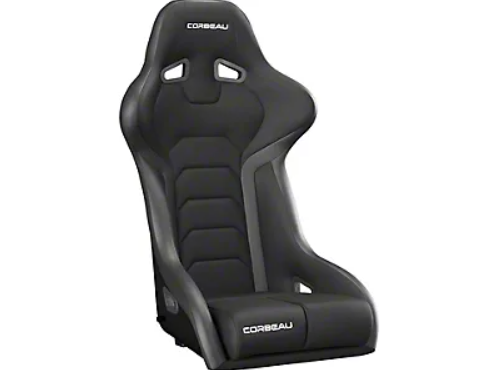
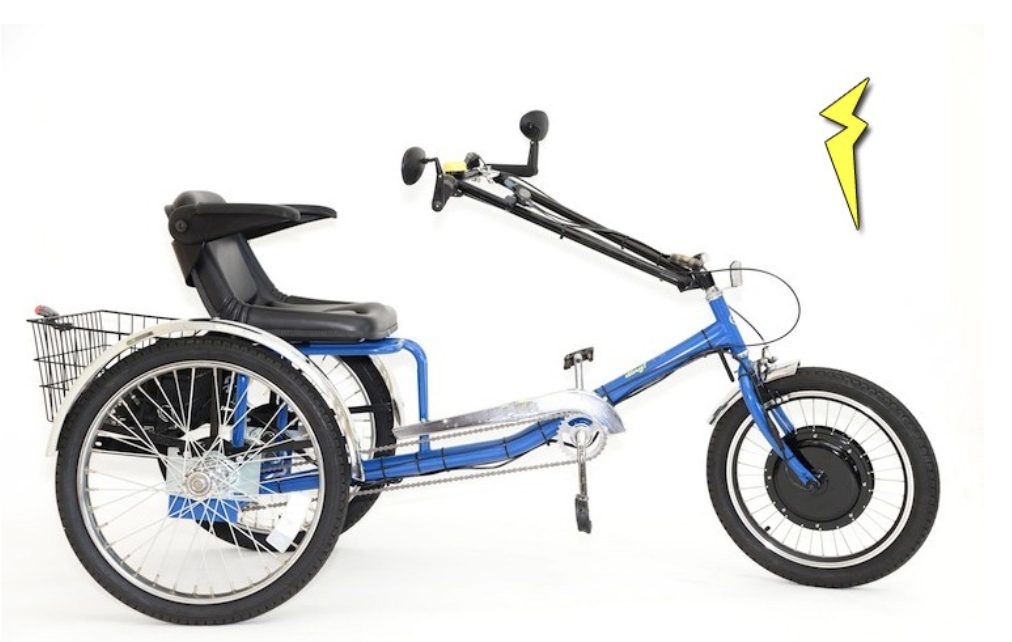
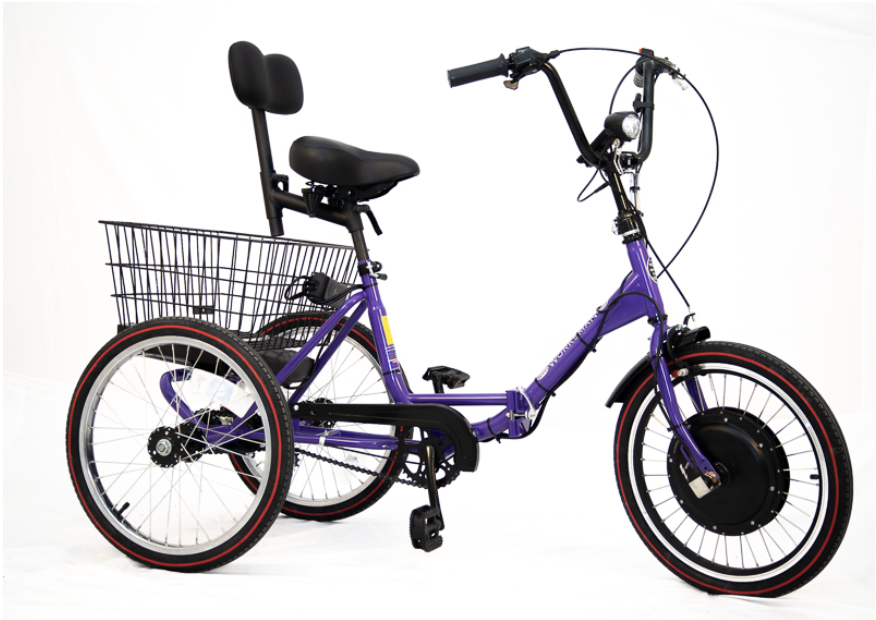
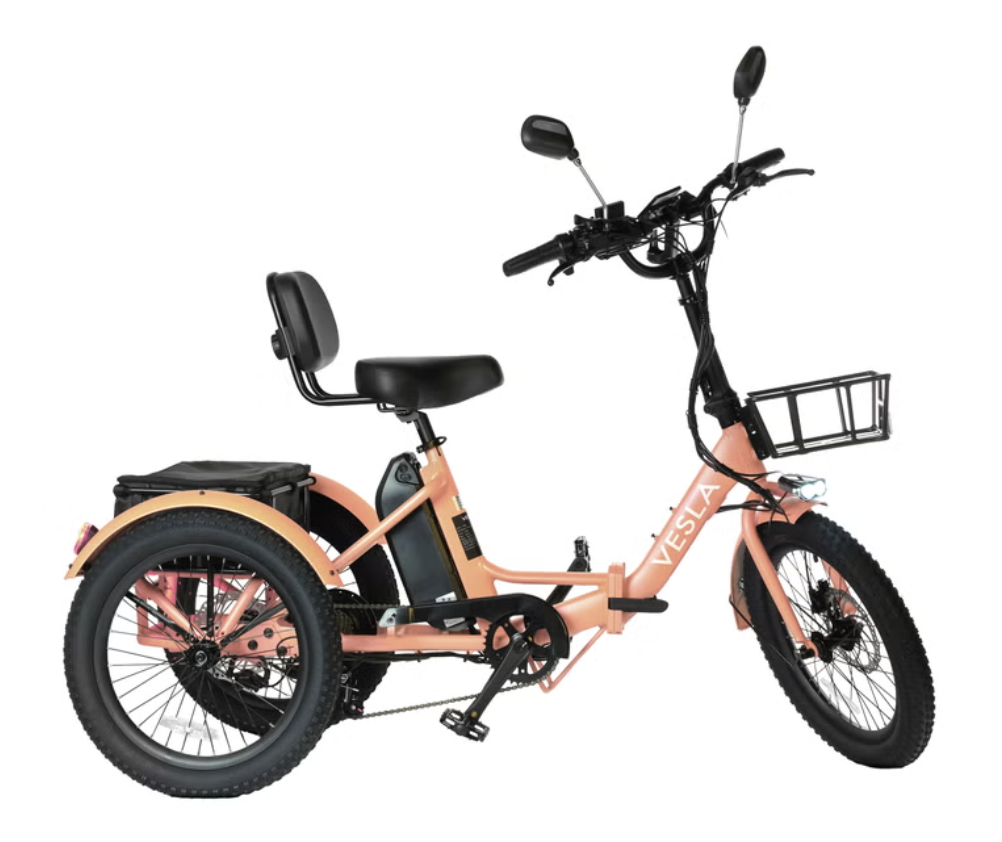
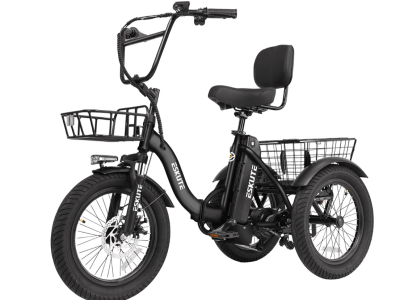
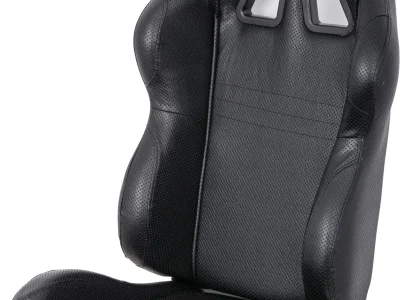
For our design, we decided that electric tricycles were the best way to give stability and allow movement without tiring the child. For our background research, we looked at several bike manufacturers to see if we could find a base for our design that we could modify.We looked at drift trikes, LEV Manufacturing, bikes on amazon, and more. We also looked at recumbent trikes as an alternative to peddling or electric trikes. Onemanufacturerthat had a lot of options was WorksmanCycles. We got into contact with them about possibly getting a work order and if we could get it within our time constraint. Thankfully, they are willing to work with us and gave us some input on our design ideas. Along with our base trike research, we looked at several different types of seating attachments to help with picking a comfortable seat that can keep her secure while she rides. M2 cushions were recommended by her mother; however, we also looked into racing seats as a possible alternative.
Concept Design 1
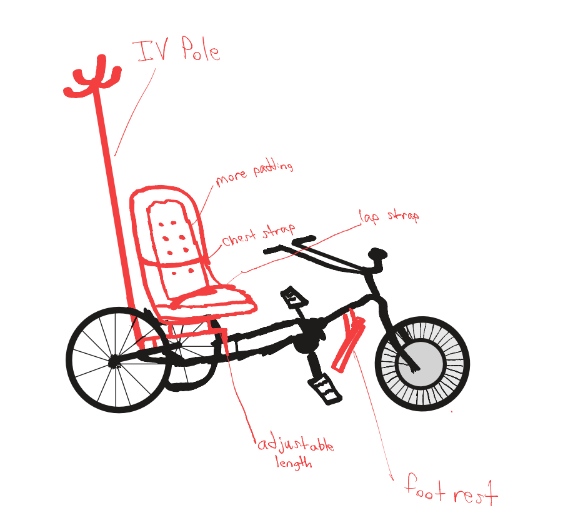
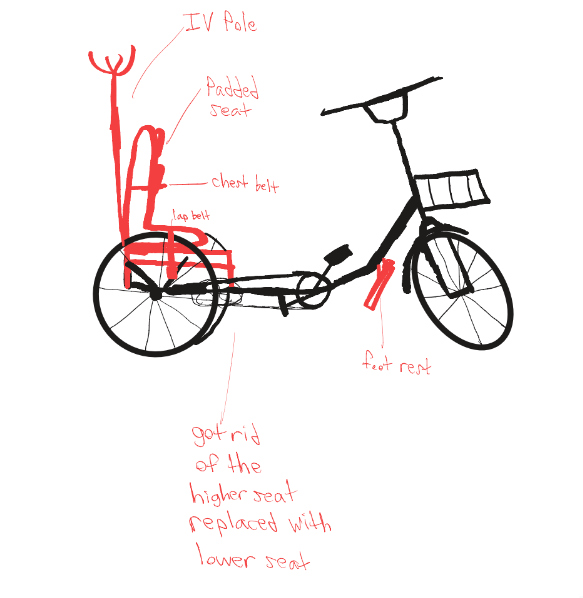
For this design, we would need to replace the seat with something more comfortable and create a sort of railing system to allow for adjustments to account for her height. It would also need to have the straps to allow for stability when riding. The IV pole also needs to be added to the rear of the trike.
Concept Design 2
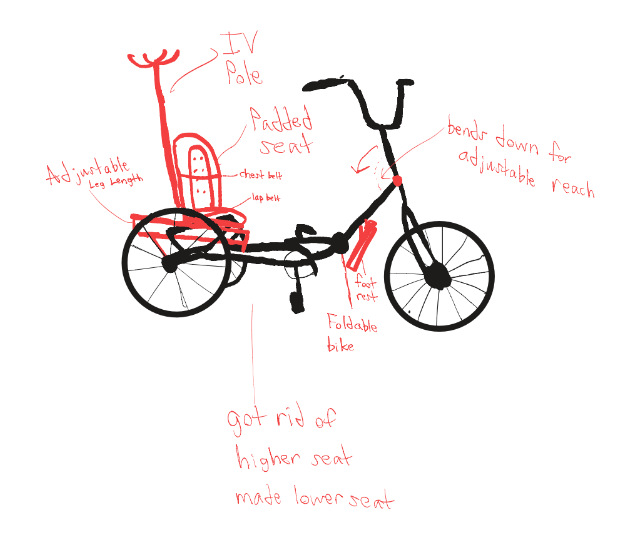
For this design, we will need to re-design the seat to a more of a “captains’ seat” design. The seat will havea padded cushion as well as lap and chest straps to keep the child from falling off the bike. Similarly to Concept Design 1, we would need an IV pole near the rear of the bike. We would need the handlebars to pivot on an axis. This gives the bike adjustability for when the seat is raised or lowered.
Concept Design 3
This design will require a lot of modifications regarding the seat. The seatwill have to be lowered, and a rail system will have to be designed for adjustability. The seat will need the chest and the lap straps as well as the cushioning. The steering handles will probably need something similar to concept 2, where the angle will need to be adjustable.An IV pole will need to be added to the back. Since the seating height is being adjusted, the battery would need to be attached somewhere else.
Selected Concept Design
We selected Design Concept 1 as our main design, as it had the best score on the decision matrix. It allows for less modifications to ensure that it works as expected. It also will allow for all design specifications to be met, without cutting any corners.
Decision Matrix
Overview of Selected Design
The selected design is a electric tricycle that will need a tall and comfortable seat that can support the child, as well as straps along her lap and chest to hold her up while riding. The seat will be made adjustable so that it can move forward and backwards to account for her height changes over time. An IV pole will be installed on the back of the tricycle for her backpack and a foot rest will be added near the pedals for when she is not pedaling.
Describe Design Details
For our seat we chose to use a go kart/racing seat as it will provide some back support while being tall enough for straps to be installed around the chest area. It will be attached to rods that will act as tracks for it to move forward and backwards so it can be adjusted for her height. We were also asked to keep the seat cleanable in case a bag were to pop. We will get a leather seat to ensure it can be wiped and will not soak in any accidents.
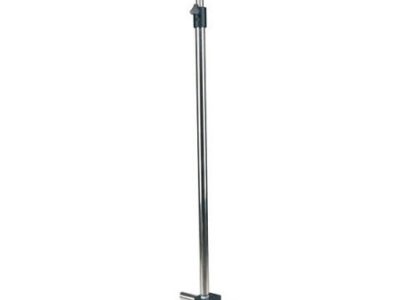
For the IV pole, we plan on removing the basket from the back of the tricycle and attaching a vertical metal rod in its place. We will then put hooks near the top for the backpack to hang as well as hooks lower down for the tubing to be set to ensure it does not get caught by the wheels.
Engineering Analysis 1
Using the SolidWorks model of the seat, we ran a stress analysis to see if it could replace the factory seat by simply placing it on the single bar. We put a point contact on the bottom of the seat to act as the connection to the frame, as well as a distributed load along the top of the seat for the weight of the rider. Using this, we found that the seat had high stress on the edges of the seat, thus showing where the seat could start to wear over time due to bending. It could also cause the bike to be unstable. To fix this, we decided to create a wider frame to allow for more even weight distribution onto the frame and off of the seat