Spring 2025 Project 04a: Wheel Chair Games (Team A)
Abstract
Our project aims to design and develop wheelchair-accessible playground equipment tailored to meet the needs of elementary school children with mobility impairments. The goal is to create an inclusive, engaging, and safe play environment where all students, regardless of physical ability, can interact, socialize, and participate in physical activities. Key considerations will include wheelchair maneuverability, safety features, and sensory elements. Through research and prototyping, the project will deliver a playground structure that promotes physical activity, social interaction, and inclusivity for children of all abilities.
The child that we are designing this playground equipment for is a kindergarten student who lacks wheelchair accessible playground equipment at her school. After speaking with the student’s counselor, the student would like to have a piece of equipment that would also incorporate other students.
Design Specifications
Many of the designs that we have found involve a structure that supports the weight of multiple participants. Thus, our structure would need to be able to withstand the weight of at least 2 kindergarten age children including the weight of a wheelchair. The design would also need to appeal to the interests of a kindergarten age student to keep them engaged.
Background Research
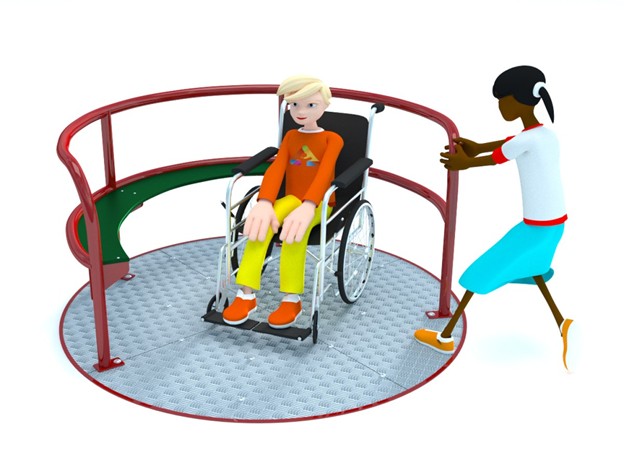
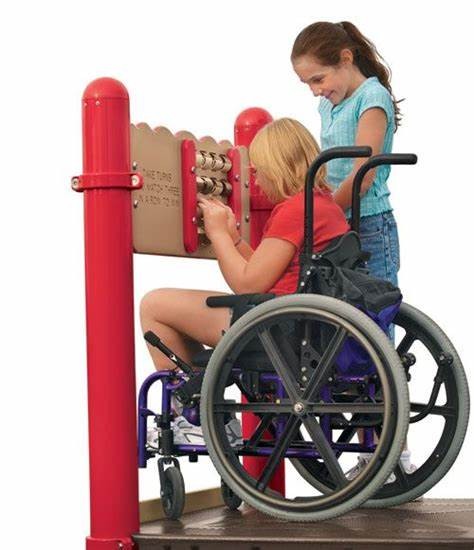
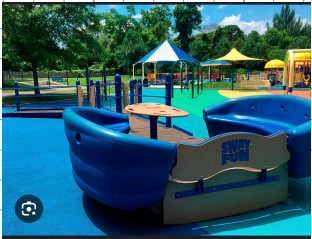
We researched multiple designs of already existing playground equipment. We decided that we would like to find a design that involves either motion for the child in the wheelchair, or a structure that allows for the child to use her arms and hands to create a sensory experience. We aimed to find designs that would incorporate other students and allow for all participants to have similar experience in using the equipment.
Concept Design 1
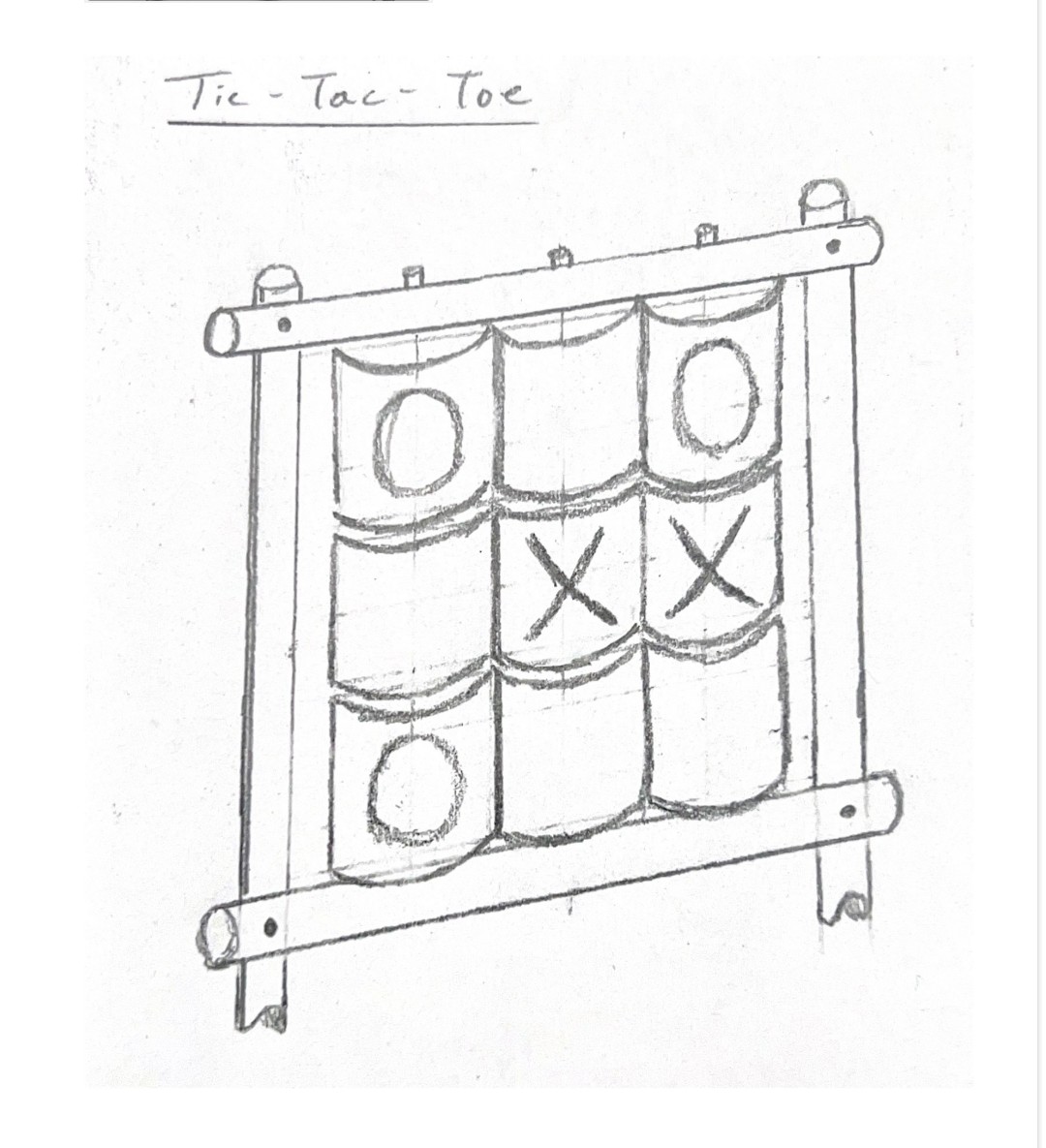
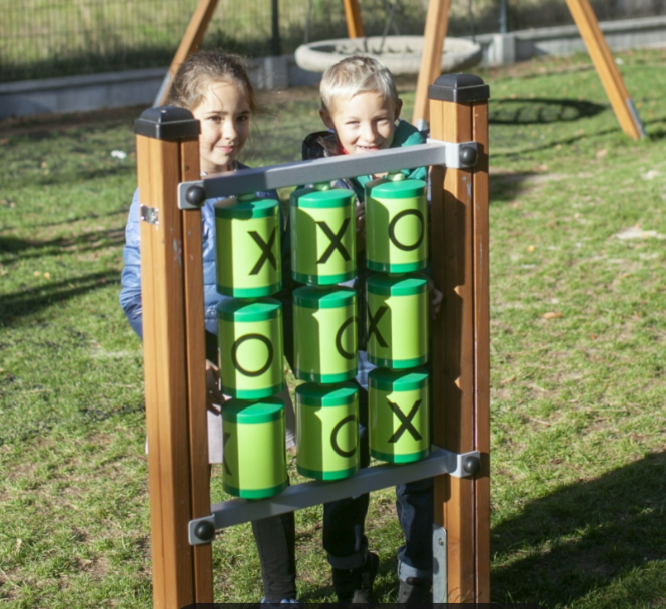
Concept Design 1 features an interactive Tic-Tac-Toe game. This would allow the child and friends to play together at recess. The design is simple with a frame and nine rollers making up the game board. Many options are available on the market currently, but we feel that a custom and cost-effective design that could incorporate Bluey would work well.
Concept Design 2
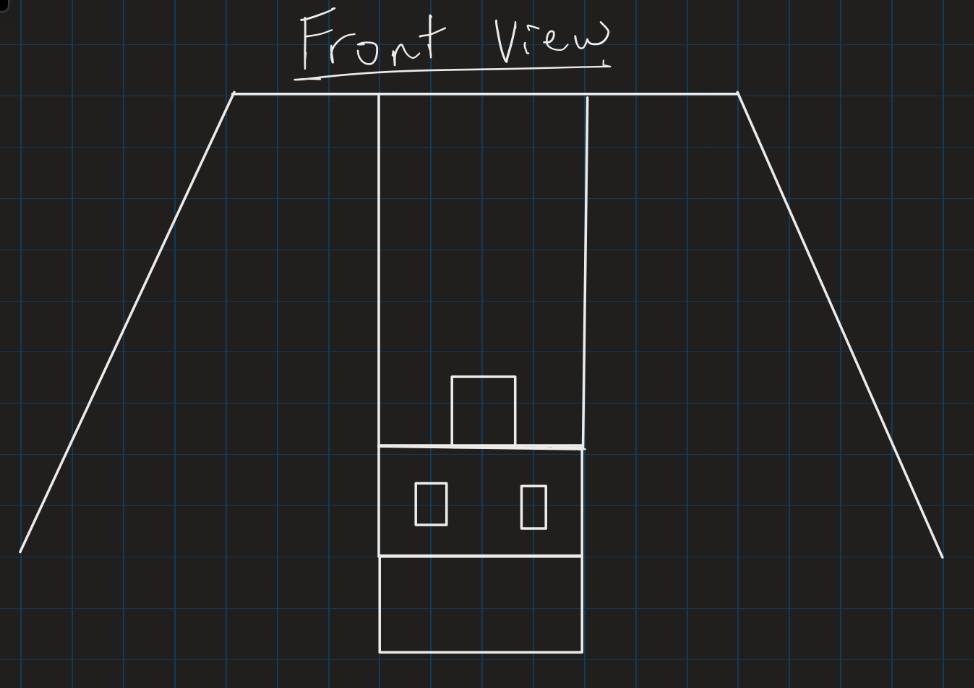
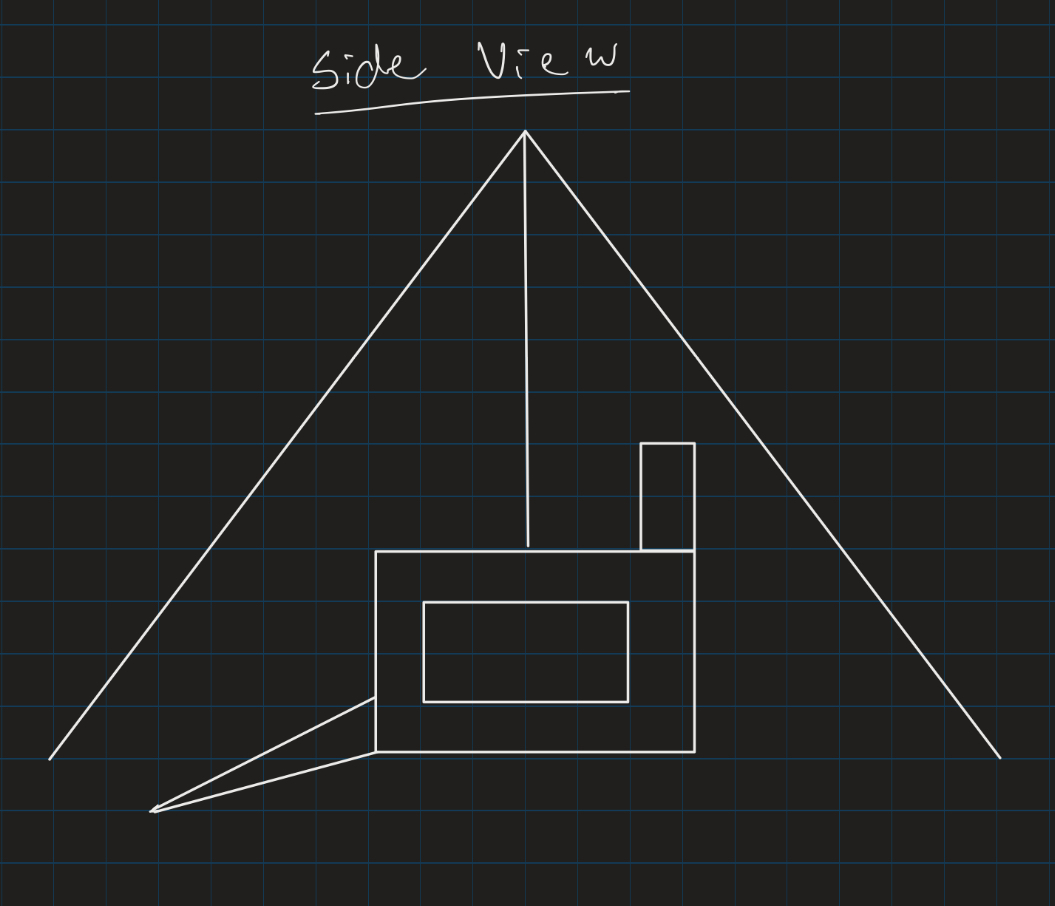
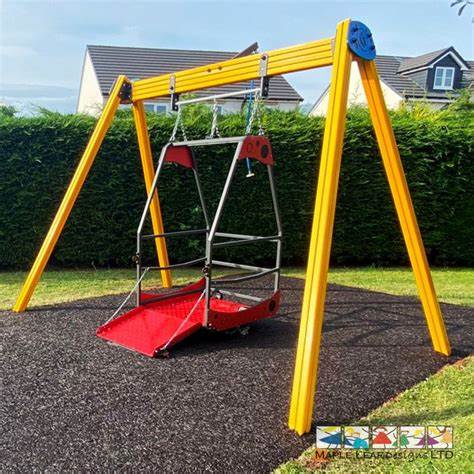
Concept Design 2 features a swing that would allow for a wheelchair to be driven up a ramp and be secured within the swing’s “bucket.” This allows for the child to swing while not having to be removed from the wheelchair.
Concept Design 3
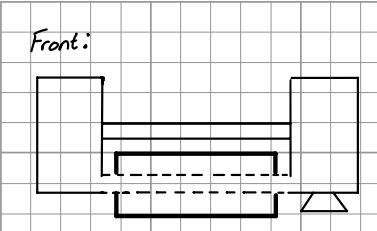
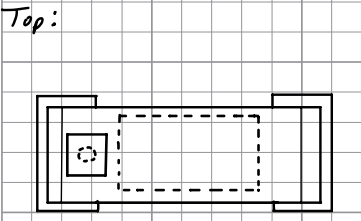
This design is based off an already existing inclusive seesaw. The design includes a ramp up to the seesaw that allows it to become wheelchair accessible. It also includes chairs where other kids can sit and walls to decrease the chances of someone falling off. We added a counterweight to one side in order to counter act the weight of the wheelchair.