Our project aims to design a safe bed for a child with autism, addressing the critical need for a secure sleeping environment after the family was denied a suitable bed. The bed will incorporate features that ensure the child’s safety, such as reinforced sides and a calming design to reduce anxiety. We are focusing on creating a bed that prevents injury and provides a sense of security and comfort. The design process involves close collaboration with the family to understand their needs and preferences. Ultimately, this project seeks to provide peace of mind for the family, knowing their child is safe and well-cared for during sleep.
Jaden Saillard, Mason Harvey, Bryton Therkildsen, Thomas Demers, Connor Miller
Problem Statement
Normal beds and bedframes have many spots where a child could injure themselves, and will not prevent from roaming around during the night. Our goal is to address these issues for a young girl with autism. The proposed design needs to be sufficiently safe, easy to clean, and enclosed to prevent the girl from roaming free during the night.
Design Specifications
Padding to prevent injury
Chew-Proof
Can’t be climbed on
Prevents roaming around at night
Rigid enough to allow jumping and moving around
Easy to clean and maintain
Background Research
The family had mentioned they were denied a cubby bed by their insurance, so a large part of our design was based on the cubby bed as well as their current enclosed bed for her sibling.
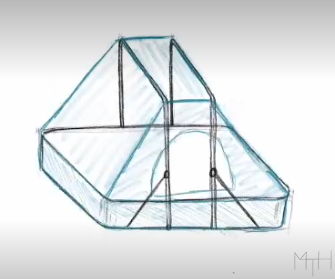
Concept Design 1
This design is one similar to many bed enclosures that exist, however because the design impedes on the space above the mattress so much, the family decided it would not be a good fit for their purpose.
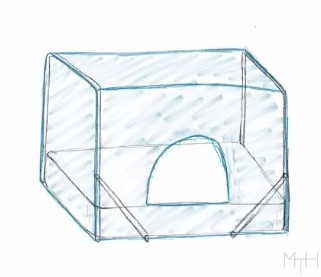
Concept Design 2
This design is adapted from the above option, this one uses the same concept however it places the bars at the four corners of the mattress allowing space for the child to move around all parts of the bed comfortably.
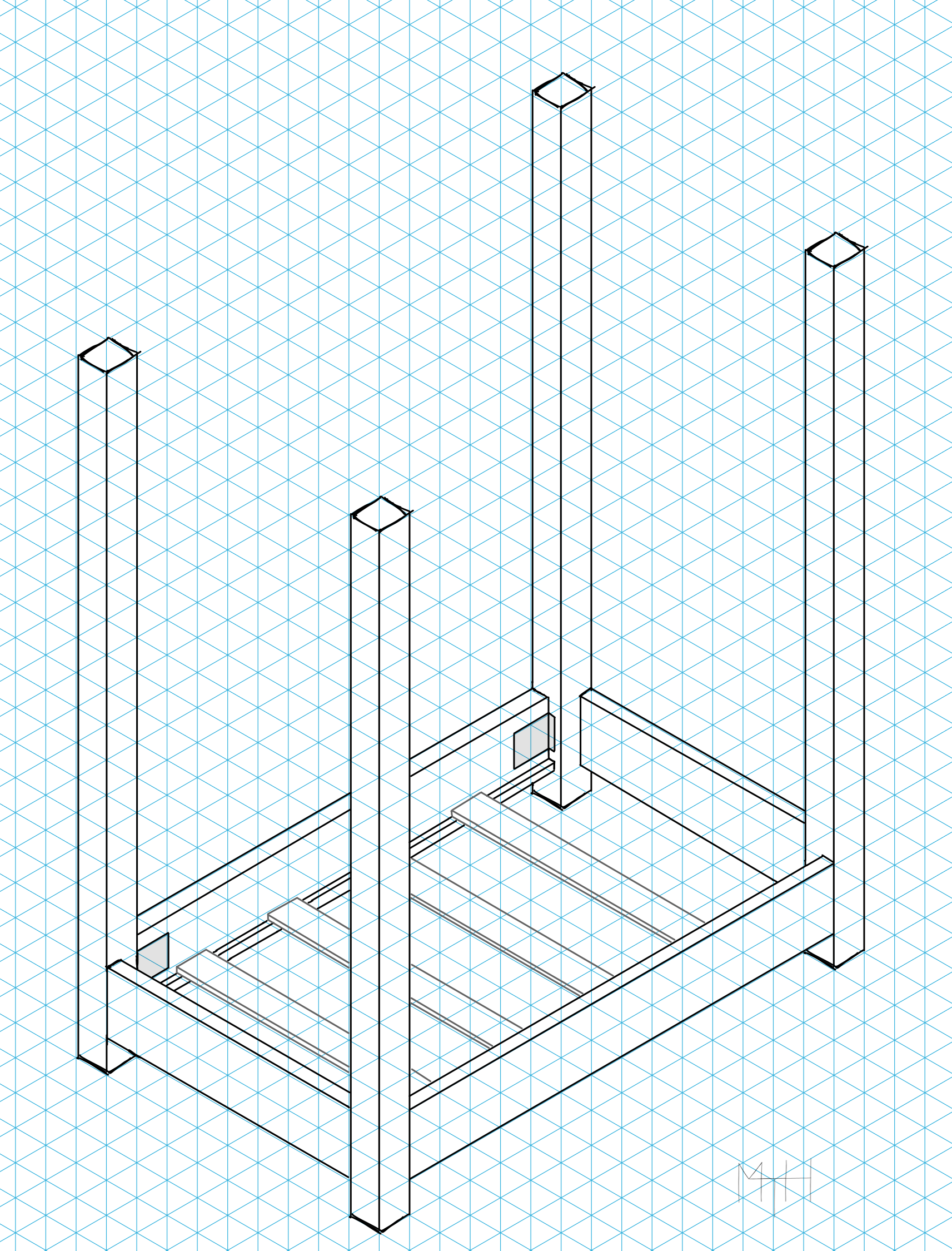
Concept Design 3
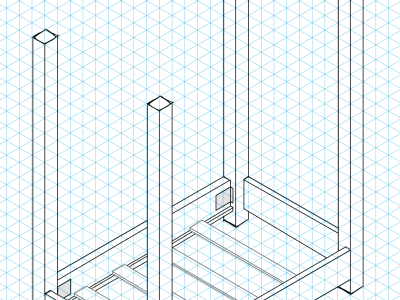
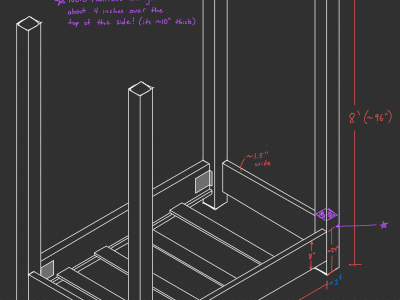
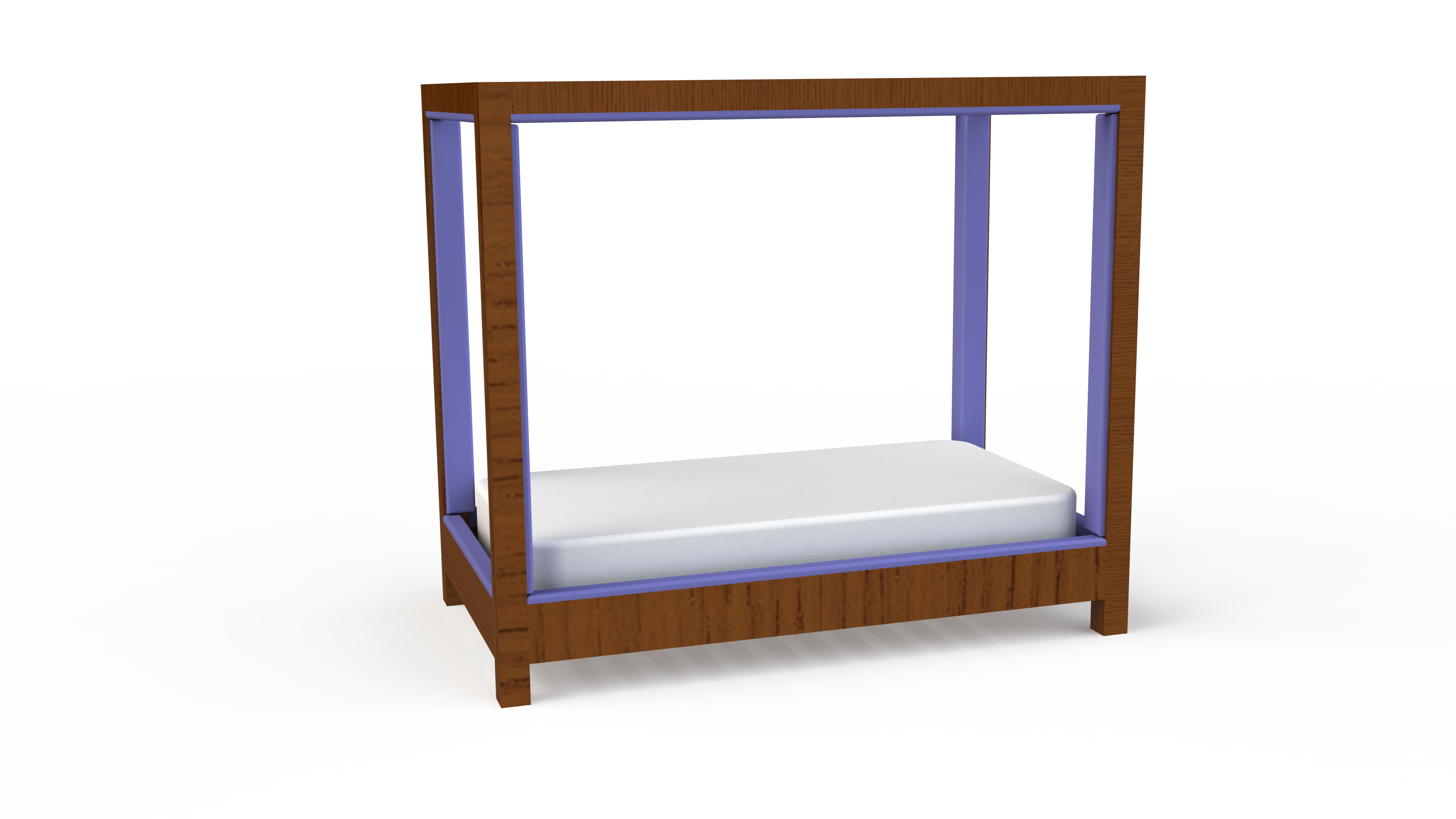
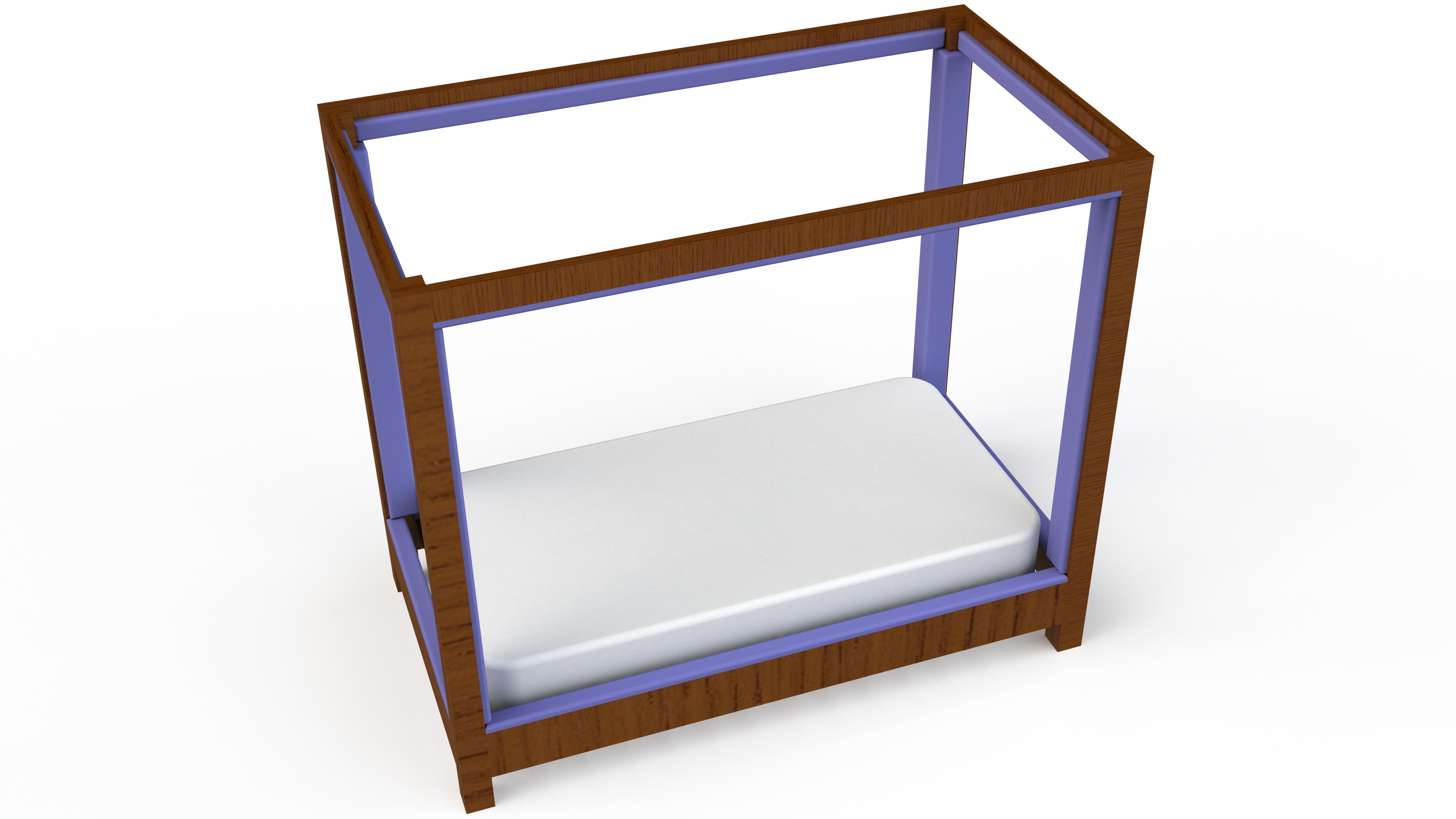
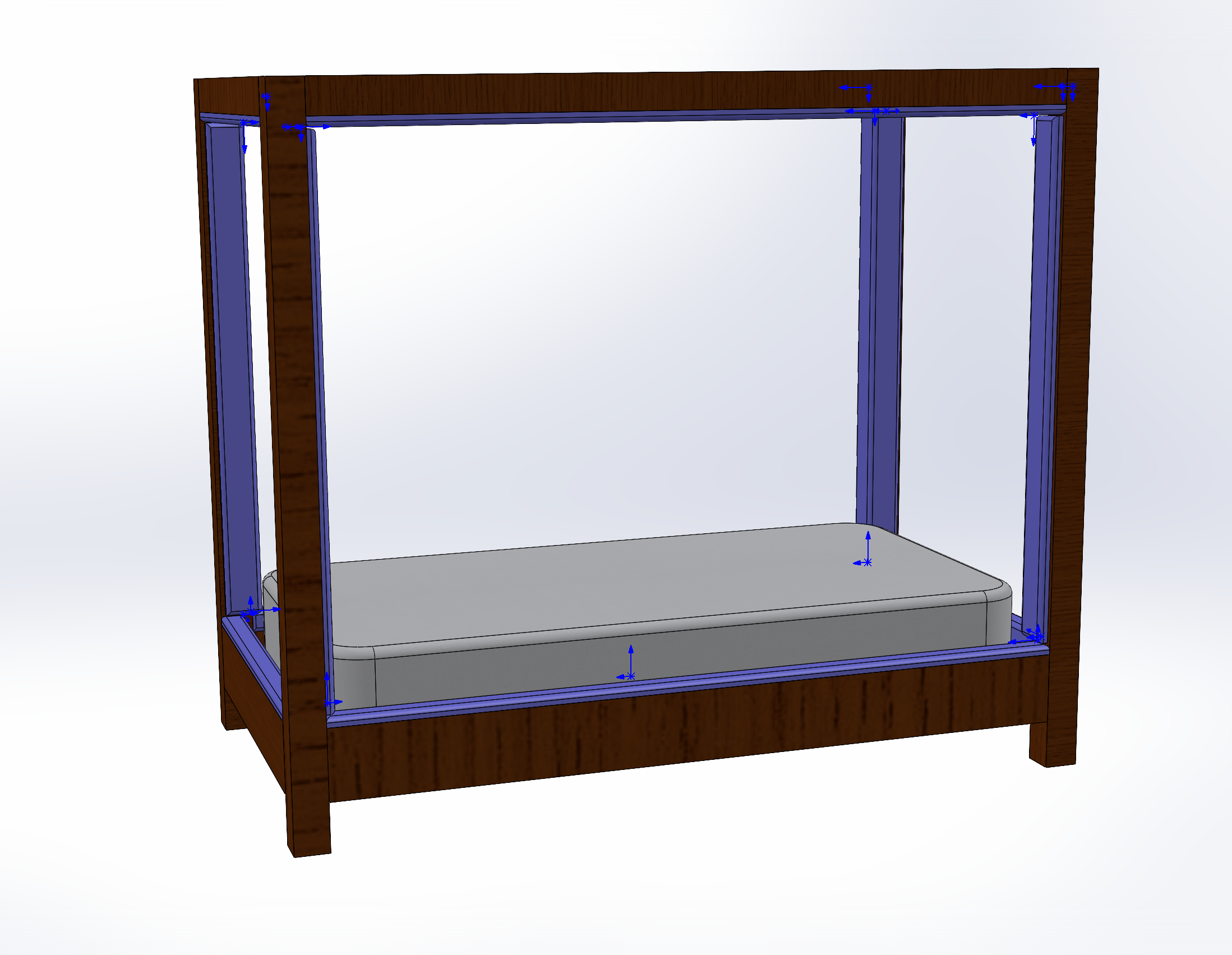
This Concept is very similar to a wooden bed frame, however it would include padding on the tall beams to help protect the child from hitting the corners of the bed. The beams will also provide a solid spot to attach the fabric netting using Velcro. This will allow it to be easily installed and taken off for washing. The bed being wooden also helps to meet with the style of furniture the family was wanting.
Selected Concept Design
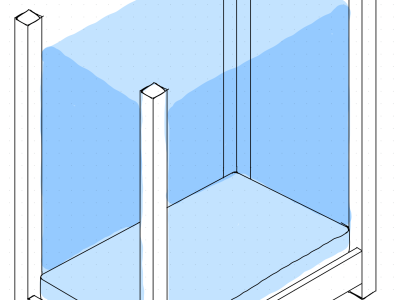
The bed’s frame will be crafted from sturdy wood, ensuring durability and stability. It will have fabric walls that provide a soft, chew-resistant environment, safeguarding the child as they move around inside. The front of the bed includes a secure, door-like entry that allows easy access, via zipper, but prevents the child from escaping without the parent allowing the child out.
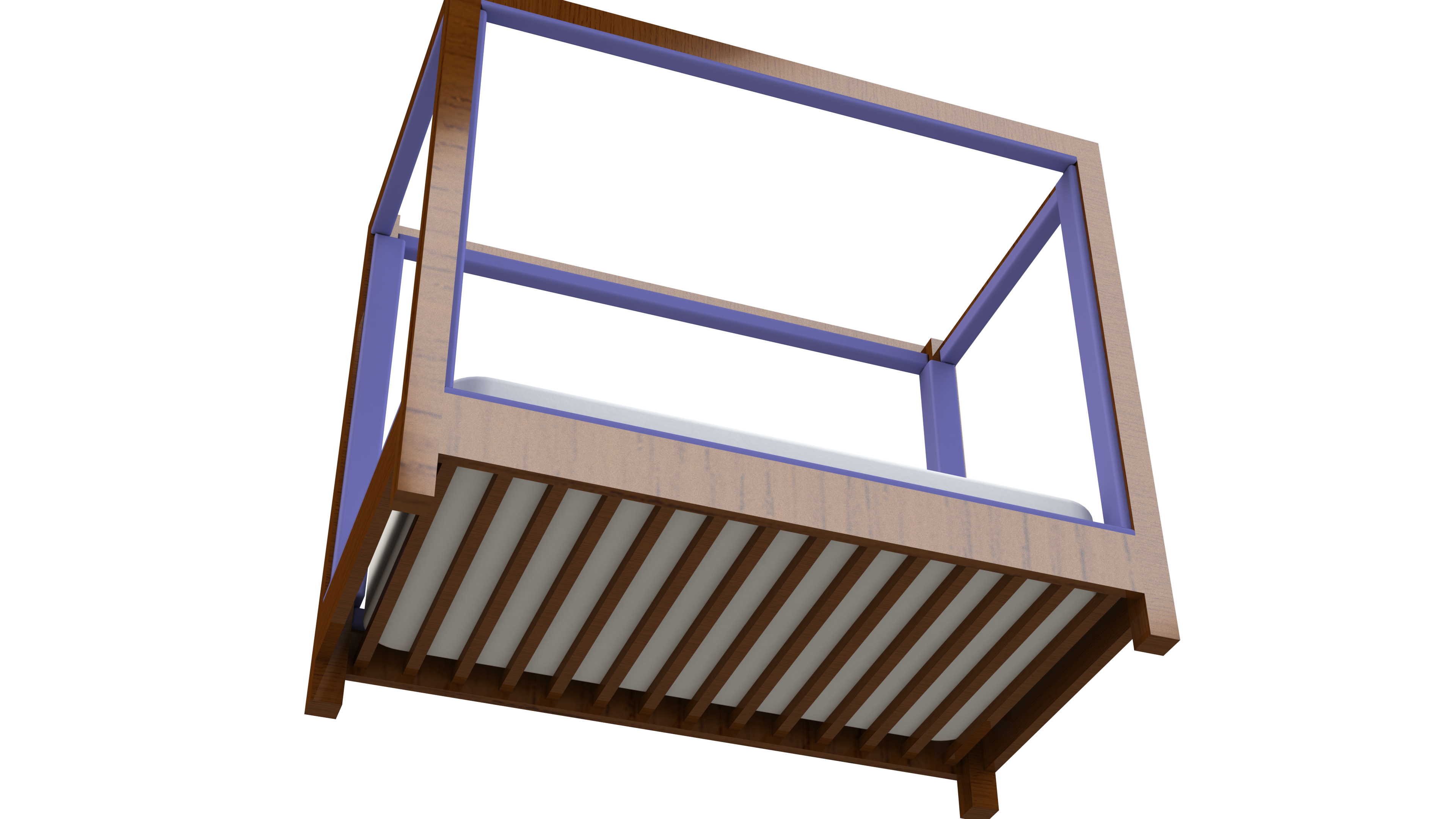
The surrounding soft materials will include padding on the interior walls and edges chosen to protect the child from potential head injuries during their playful activities (Jumping on the bed and the like). The bed will be designed to fit a twin sized bed and should give proper support for the mattress, similar to a box spring.
Decision Matrix
Overview of Selected Design
The design we settled on was based off the third concept as we believed it would be the best fit for the family. This was due to the modularity in the design, allowing our group to mold it to the exact specification needed for their child. It would also give us the most ability to work with the safety netting for keeping the child safe at night. This designs walls are built from a mesh material, that is all one piece allowing the walls to be as strong as possible. They also will be removable and machine washable. (Cold water and low tumble and heat.) This would allow the family to clean the walls should they get dirty.
Describe Design Details
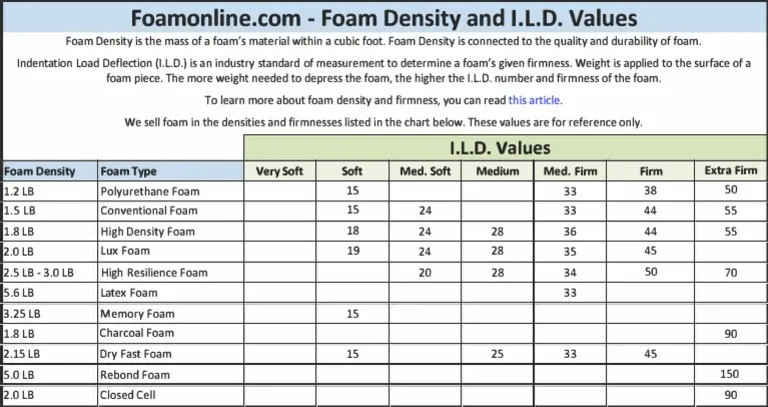
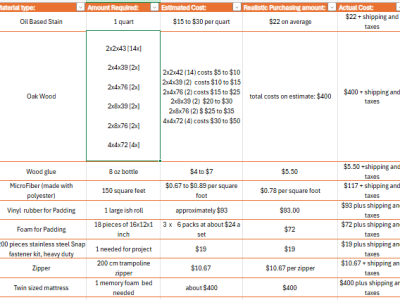
Our padding is made up of a polyurethane foam and is held together a rubberized vinyl. We will be sewing the material together and are putting the stitches in the back on the wood. This way, the child will have no way of getting through the stitching that holds everything together. Our wood is going to be selectively cut before hand, and we will make the minor changes in the tech materials shop to allow the pieces to fit better. We will also use an oil based stain to allow two things. 1) it will look better cosmetically, and 2) it will become water resistant and spill resistant.
The fabric that we are using is made up of a microfiber, and we are going to attach it by using snaps. This way, the fabric is easily removable from the outside for cleaning, but it will be incredibly difficult for the child to escape.
Engineering Analysis 1
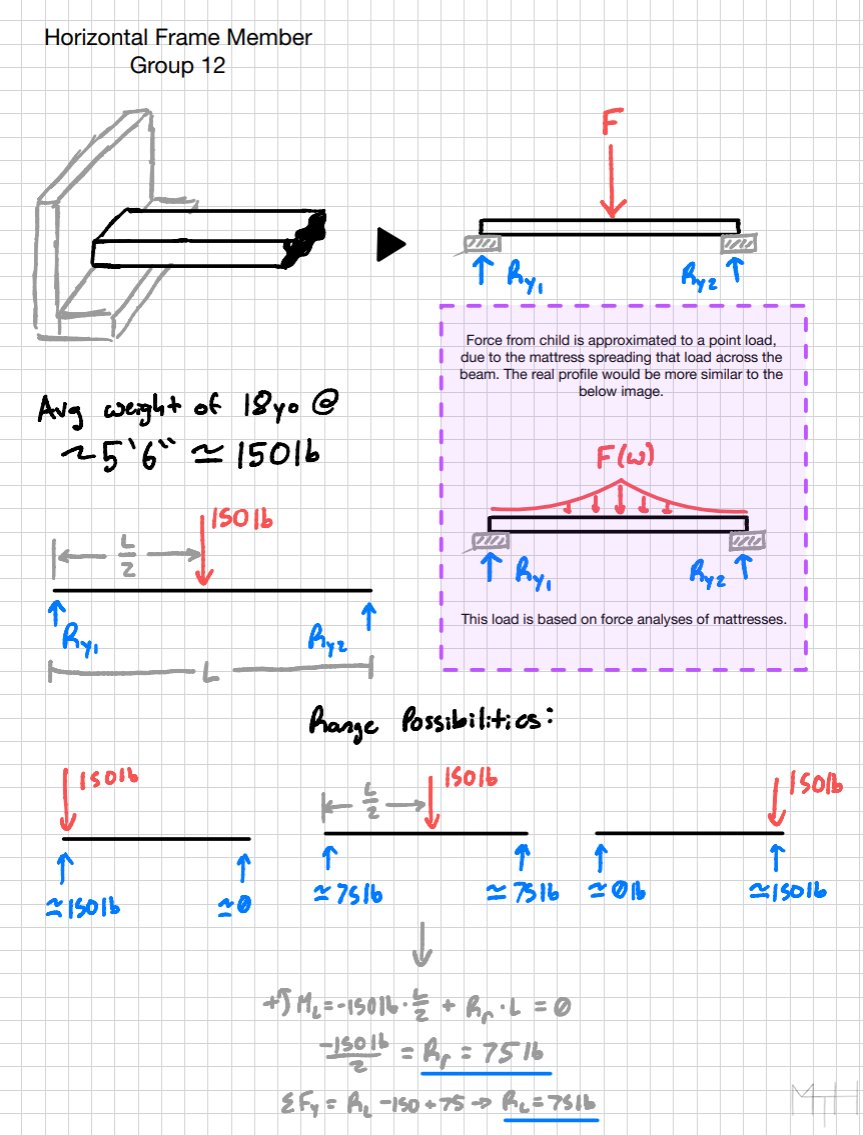
When looking at the cross beams for the bed, we saw that due to the mattress and the amount of variables when dealing with human interaction, we made the choice to create a simplified force analysis, using the average weights of an 18-year old. The reason for this was because the family plans to use the bed for a long time.
Engineering Analysis 2
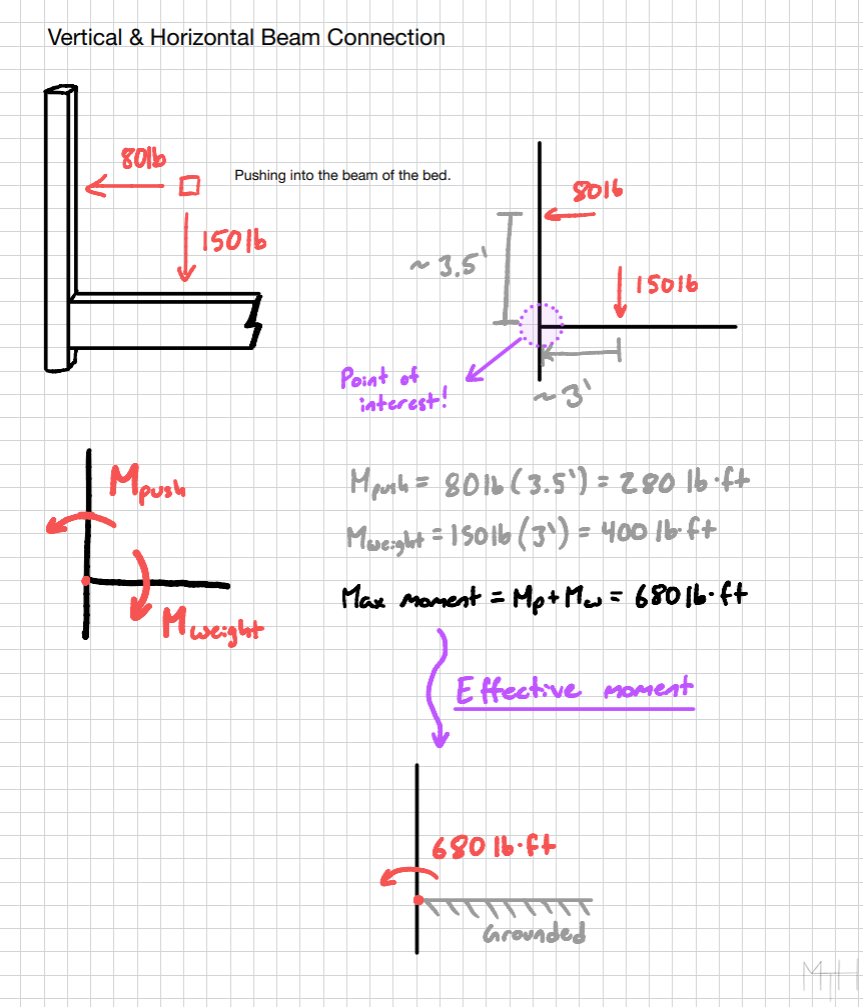
Because odd forces put on the frame are a worry, we created this moment analysis where she would be pushing into the mattress, and against the vertical pillar. This in turn would create a large moment force within the connection point of the frame and vertical beam.
Engineering Analysis 3
Here we gathered data on types of foam padding we could use, to compare the different options. This is because the foam must be the correct balance between firm and soft, allowing it to be comfortable, but also safe. We are also comparing different types of foam paddings as a whole based on material, and this would easily allow us to see the material, and the firmness options of each kind.